Integrated Graphics Gaming: Modern Capabilities Explored
The discussion around integrated vs dedicated graphics often centers on performance, especially when it comes to gaming. For many years, integrated GPUs (iGPUs) were largely dismissed as unsuitable for anything beyond basic tasks. However, recent advancements in processor technology have significantly blurred these lines.
Modern iGPUs are now capable of running a surprising array of games, challenging the long-held belief that a dedicated graphics card is always essential for a decent gaming experience. This article explores what today’s integrated graphics processing units can actually handle, helping users understand their capabilities for modern gaming.
Integrated vs Dedicated Graphics: Core Differences
The fundamental distinction between integrated vs dedicated graphics lies in their physical separation and resource allocation. Understanding these differences is crucial for making informed decisions about PC hardware. Each type serves a specific purpose and comes with its own set of advantages and limitations, especially concerning gaming performance.
What is an Integrated GPU (iGPU)?
An integrated graphics processing unit is built directly into the CPU chip, sharing system memory (RAM) with the main processor. This design makes iGPUs cost-effective and energy-efficient, ideal for laptops and budget-friendly desktop systems. While they save space and reduce power consumption, their performance is typically limited by shared memory bandwidth and CPU resources.
What is a Dedicated GPU (dGPU)?
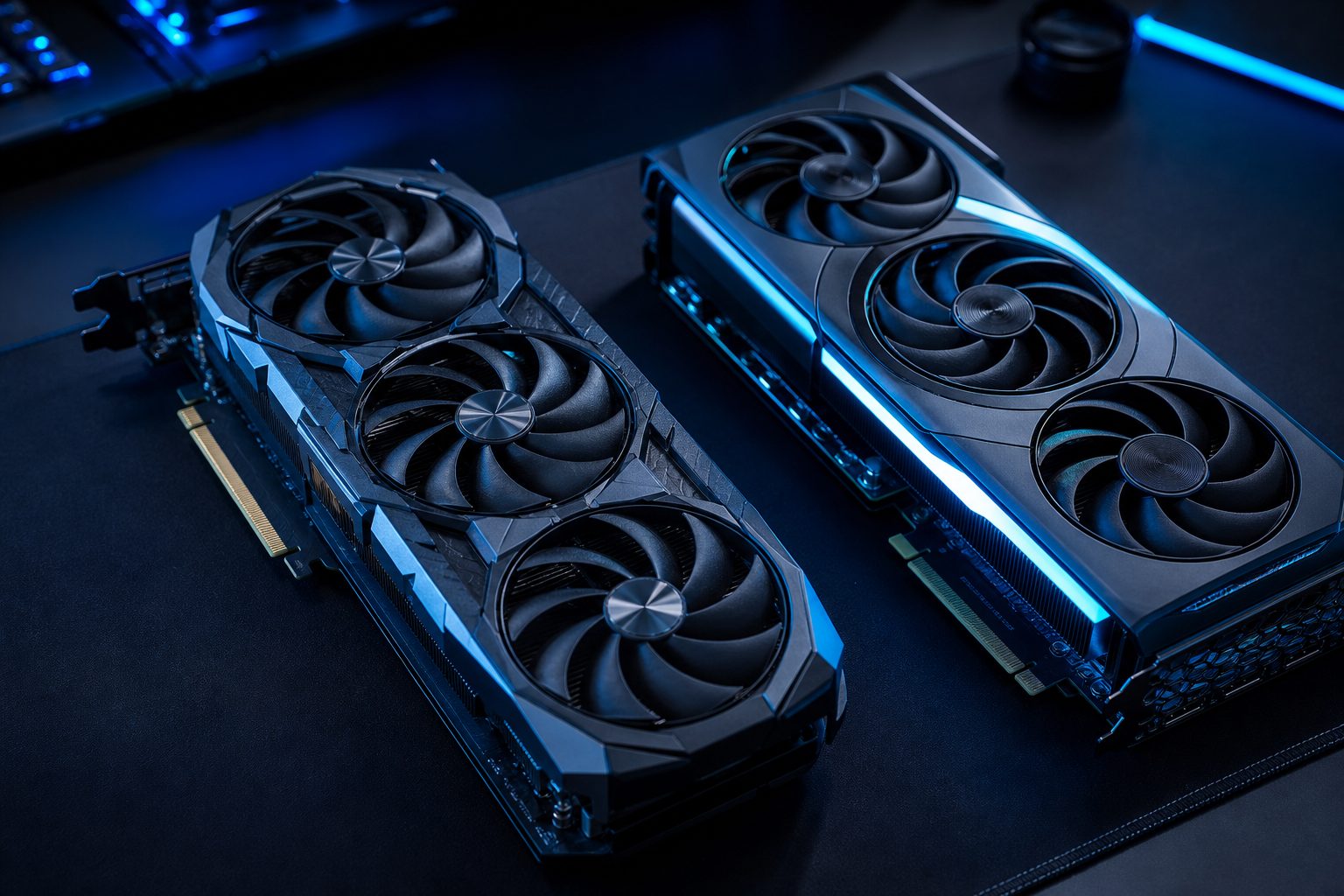
A dedicated graphics processing unit, often referred to as a graphics card or video card, is a separate, independent component with its own dedicated memory (VRAM). This allows dGPUs to process complex graphical tasks without burdening the system’s main RAM or CPU. Dedicated cards offer superior performance, making them the preferred choice for high-end gaming, professional content creation, and other graphically intensive applications.
Key Performance Factors
Several factors dictate the performance gap between integrated and dedicated graphics. Dedicated GPUs benefit from more powerful processing cores, higher memory bandwidth, and larger amounts of dedicated video RAM. Integrated GPUs, conversely, rely on the system’s main memory, which is typically slower than VRAM, and their performance scales with the quality of the CPU they are integrated with.
The Evolution of iGPU Gaming Performance
The landscape of iGPU gaming has changed dramatically over the past few years. Manufacturers like AMD and Intel have invested heavily in improving their integrated graphics solutions, making them surprisingly competent for many modern titles. These advancements mean that entry-level gaming is now accessible without the need for a separate graphics card.
AMD Ryzen with Radeon Graphics
AMD has been a pioneer in powerful integrated graphics with its Ryzen APUs (Accelerated Processing Units). These chips combine robust CPU cores with capable Radeon graphics, offering excellent performance for their price point. Many games are quite playable on these systems, especially with careful optimization of in-game settings.
Intel Iris Xe and Arc Graphics
Intel’s Iris Xe graphics, found in many of its newer laptop and desktop processors, mark a significant leap forward for the company’s iGPU offerings. They provide a substantial performance boost over previous generations, enabling smooth framerates in many popular esports titles and even some AAA games at lower settings. Intel is also pushing its standalone Arc graphics technology, which influences its iGPU designs.
Apple Silicon’s Approach
While distinct from traditional PC architecture, Apple Silicon chips (M-series) feature highly integrated GPUs that deliver impressive performance. Their unified memory architecture allows for efficient data sharing between the CPU and GPU, resulting in surprisingly strong gaming capabilities for Mac users. Compatibility varies due to macOS’s smaller game library, but performance for native titles is often excellent.
iGPU Gaming: Expectations vs. Reality
Setting realistic expectations is key when considering iGPU gaming. While integrated graphics will not compete with high-end dedicated cards, they offer a viable path for budget-conscious gamers or those with space constraints. Many popular games are perfectly playable, provided users are willing to adjust settings.
Playable Game Categories
Modern iGPUs excel in specific gaming segments. Understanding these categories helps in choosing games that will run well.
-
Esports and Older Titles
Games like League of Legends, Dota 2, CS:GO, Valorant, and Overwatch 2 typically run very smoothly on modern iGPUs, often at 1080p resolution. Older AAA titles from previous generations, such as Grand Theft Auto V or Skyrim, also perform well with adjusted settings.
-
Indie and Casual Games
The vast library of indie games, known for their artistic styles and often less demanding graphics, is a perfect fit for integrated solutions. Titles like Stardew Valley, Hades, Minecraft, and Among Us will run without issue. Casual games and many retro emulation projects also perform flawlessly.
-
Select AAA Games (with caveats)
Some modern AAA games can be played on iGPUs, but this usually requires significant compromises. Users may need to drop resolution to 720p, enable FSR (FidelityFX Super Resolution) or XeSS (Xe Super Sampling) if supported, and set graphics quality to low. Games like Cyberpunk 2077 or Starfield might launch, but achieving a stable, enjoyable framerate is challenging without a dedicated GPU.
Optimizing for iGPU Performance
Maximizing performance on an integrated graphics system involves a few key steps. These adjustments can make a significant difference in playability.
-
Resolution and Graphics Settings
The most impactful changes come from reducing resolution and lowering in-game graphics settings. Targeting 720p or 900p instead of 1080p can dramatically increase framerates. Disabling demanding features like anti-aliasing, shadows, and complex reflections will also yield performance gains.
-
RAM Speed and Dual Channel Memory
Since iGPUs share system RAM, faster RAM and a dual-channel memory configuration are crucial. Running two RAM sticks instead of one effectively doubles the memory bandwidth available to the iGPU, leading to substantial performance improvements. Higher frequency RAM also directly benefits integrated graphics performance.
The Case for Dedicated Graphics
Despite the impressive strides in iGPU technology, dedicated graphics cards remain the undisputed champions for serious gaming and professional workloads. The decision between integrated vs dedicated graphics ultimately hinges on specific user needs and budget.
High-End Gaming and Demanding Applications
For gamers who demand high refresh rates, 1440p or 4K resolutions, or ultra-graphics settings in the latest AAA titles, a dedicated GPU is indispensable. Similarly, professionals using applications for video editing, 3D rendering, or CAD will find a dedicated card essential for efficient workflow and faster processing times.
Future-Proofing and Upgradability
Dedicated graphics cards offer a degree of future-proofing that iGPUs cannot match. As new games become more graphically intensive, a dedicated card provides the horsepower to keep up. Furthermore, in desktop systems, a dedicated GPU can be upgraded independently, allowing users to extend the life of their PC without replacing the entire system.
Bottom line
The debate of integrated vs dedicated graphics has evolved significantly, with modern iGPUs proving their worth for entry-level and casual gaming. While they may not offer the raw power of a dedicated card, they provide a compelling option for many users. Understanding the capabilities of your system’s integrated graphics can open up a world of gaming possibilities without breaking the bank. For precise compatibility checks and estimated performance across thousands of titles, visit PCProfile.com and see if your setup can run your favorite games today.
Frequently asked questions
What is the main difference between integrated and dedicated graphics?
Integrated graphics are built into the CPU and share system RAM, making them cost-effective and energy-efficient. Dedicated graphics are separate cards with their own memory, offering superior performance for demanding tasks.
Can integrated graphics run modern AAA games?
Yes, some modern AAA games can run on integrated graphics, but typically at lower resolutions (e.g., 720p) and with graphics settings set to low. Performance will not match that of a dedicated GPU.
How can I improve iGPU gaming performance?
Optimize performance by reducing in-game resolution and graphics settings. Using fast, dual-channel RAM significantly boosts iGPU performance, as integrated graphics rely on system memory.
Which integrated graphics are best for gaming?
AMD's Radeon Graphics found in their Ryzen APUs and Intel's Iris Xe graphics (and its newer derivatives) are generally considered the best integrated options for gaming currently available in traditional PCs.
Is an integrated GPU sufficient for esports titles?
Yes, modern integrated GPUs are generally very capable of running popular esports titles like League of Legends, CS:GO, and Valorant smoothly, often at 1080p resolution.
When should I definitely choose a dedicated graphics card?
You should choose a dedicated graphics card for high-refresh-rate gaming, resolutions above 1080p, ultra-graphics settings, or demanding professional applications like video editing and 3D rendering.
More in GPU Comparisons
When building or upgrading a gaming PC, the choice of a 1080p graphics card is crucial, and the debate of RTX 4060…
Choosing the right graphics card for high-resolution gaming can be a significant decision, especially when targeting the popular 1440p sweet spot. The.